Consistent, high-volume output
Independent of municipal systems or surface water availability. Our crews regularly handle directional drilling services.
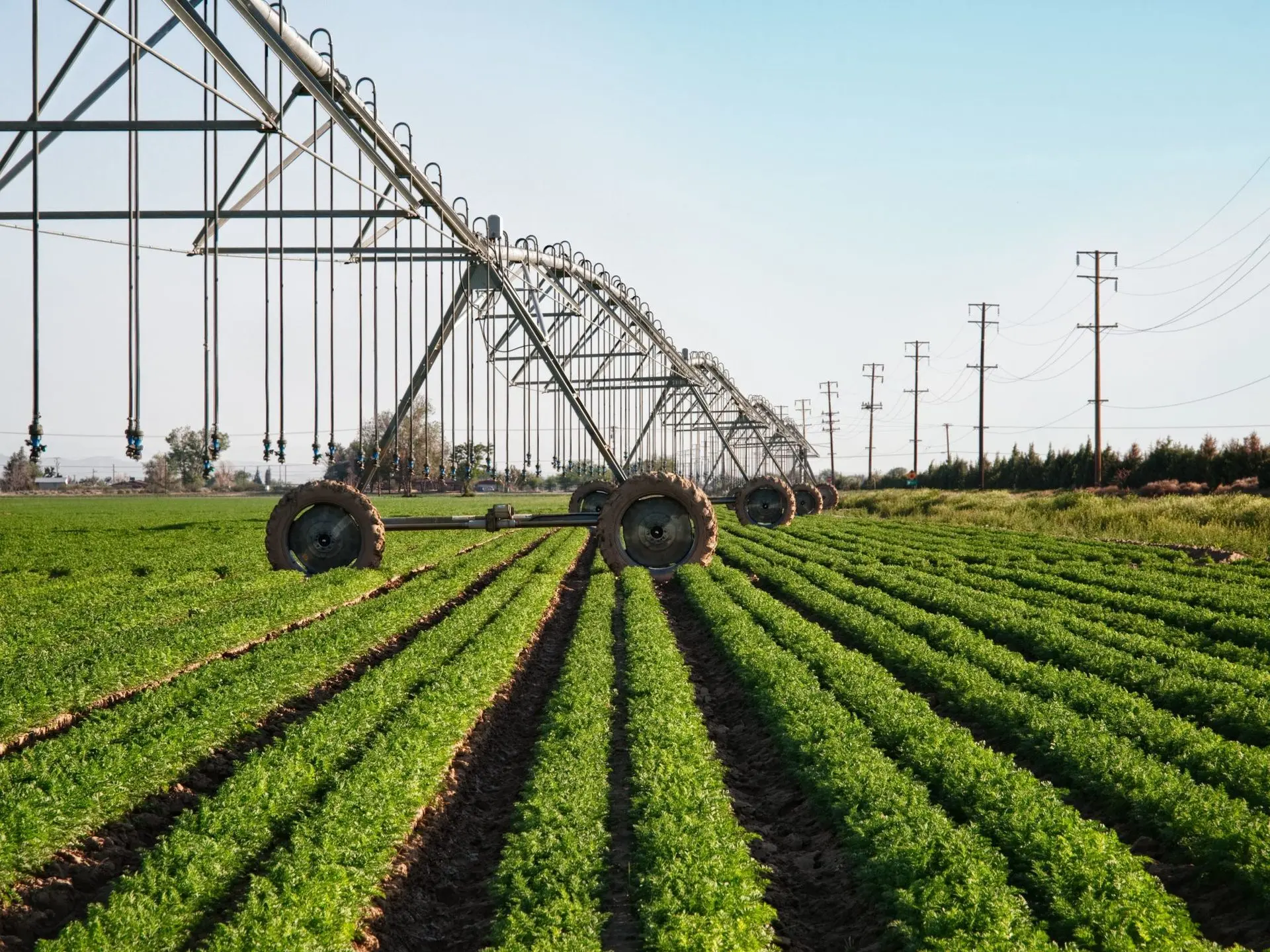
Farming puts different demands on a water system than anything else. A household runs on a few hundred gallons a day. A dairy operation, an irrigated field, or a greenhouse complex can need that before noon. Herr Well Drilling, Inc. has been drilling agricultural wells throughout Dousman, WI and Metro Milwaukee since 1964, and farm water systems have always been a core part of that work—not a side service we occasionally handle.
The difference between a well drilled for a house and one drilled for a working farm isn't just size. It's design philosophy. A farm well needs to perform under sustained, heavy demand; hold up through dry seasons; and integrate cleanly with whatever irrigation or livestock watering infrastructure is already on the property. Getting that right requires experience with agricultural hydrology and an honest understanding of what local aquifers in Southeast Wisconsin can actually sustain.
We drill agricultural wells for the full range of farm operations across Waukesha County and the surrounding region—crop irrigation, livestock and dairy, greenhouse and nursery water supply, and rural multi-use agricultural parcels. Every project starts with a real conversation about water demand: how much you need, when you need it most, and how the operation might grow over the next ten to twenty years. We also provide trusted well drilling contractor.
This is usually where problems start with contractors who treat farm wells like oversized residential jobs. A size well-suited for today's operation but not tomorrow's creates a bottleneck that's expensive to fix after the fact. We factor in realistic growth when we design agricultural well systems, not just current demand.
Our agricultural well drilling work includes irrigation well drilling matched to pivot, drip, or flood system specifications, high-capacity well installation for operations with heavy sustained demand, farm water well drilling for livestock and dairy facilities, and drought-resistant well solutions that reach deeper, more stable aquifer zones less affected by seasonal dry conditions. All work is completed in compliance with Wisconsin DNR regulations, and we manage the required permitting as part of every project. Learn more about our family-owned well drilling company.
The Kettle Moraine region and the farmland corridors of Waukesha County have their own groundwater behavior. Seasonal variation in water table levels, the layering of productive sand aquifers between clay formations, the locations where bedrock fractures reliably yield water and the spots where they don't—this is knowledge that accumulates over decades of drilling in one place. Herr Well Drilling has been building that knowledge since 1964.
We also understand that farm schedules don't flex easily. Planting windows, harvest timelines, and livestock care don't pause for a drilling crew that showed up late or underestimated the job. We plan agricultural projects carefully and execute them efficiently, which means giving you an honest timeline upfront and holding to it.
Independent of municipal systems or surface water availability. Our crews regularly handle directional drilling services.
Matched to your system's actual specifications—not a generic size
through access to deep, stable aquifer zones. Ask us about well development services as well.
So irrigation and livestock water meet applicable standards
Versus ongoing municipal or surface water fees. Many homeowners in the area also ask about our residential well drilling.
That accommodates future expansion without requiring a replacement well
This is the most common agricultural request we handle across the Oconomowoc and Waukesha areas. Irrigation well drilling done right means sizing the well to match the actual output requirements of your system—whether that's a small garden irrigation setup or a large-acreage pivot requiring sustained high-volume flow. An undersized irrigation well causes pump cycling and drawdown issues that show up the first time conditions get dry. We size these systems for real demand, not ideal conditions. Explore our well repair services for more details.
High-capacity wells are for operations where water demand is heavy and consistent—large livestock facilities, processing operations, and extensive irrigated acreage. The critical step here is aquifer evaluation before drilling, not after. A well designed for high capacity but drilled into an aquifer that can't sustain it will underperform from day one. We do that evaluation thoroughly because fixing a capacity problem after installation is far more expensive than getting it right the first time.
We focus on the well and pump system rather than irrigation line installation, but our involvement at the design stage matters. Pump selection, pressure system configuration, and the connection between the well and your irrigation infrastructure all affect how the whole system performs. We've seen plenty of irrigation setups where the well was fine but the pump was mismatched—and the farmer didn't know until the system struggled through its first season.
Seasonal drought hits surface water hard. A well designed to reach deep, stable aquifer zones is significantly less vulnerable to the water table fluctuations that affect shallower systems. For farms in parts of Waukesha County that have dealt with water supply inconsistency in dry years, a deeper or redesigned well is often the most practical long-term solution. Ready to move forward? schedule a consultation today.
Whether a farm is expanding, replacing an aging system, or adding irrigation capacity for the first time, our well drilling services cover every phase:
One contractor. Every stage. No referrals to someone else's crew. We also provide Directional Drilling near Hartland.
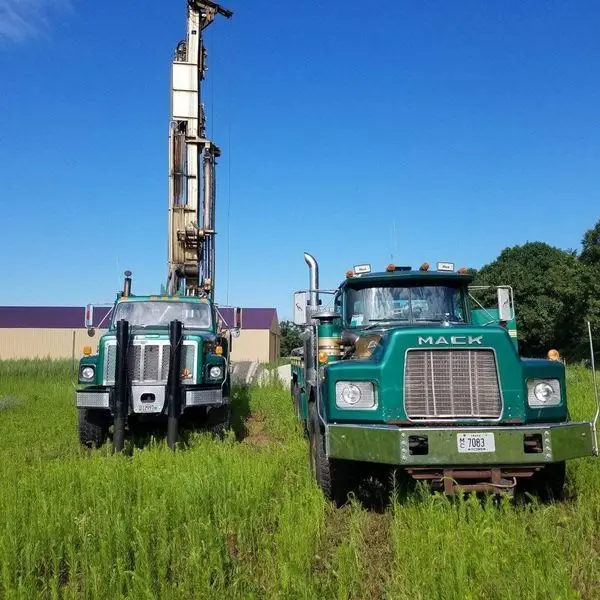
Herr Well Drilling serves farm and agricultural operations throughout Dousman, WI ; Waukesha ; Oconomowoc ; Pewaukee ; Hartland ; Wales ; Brookfield ; New Berlin ; West Allis ; Milwaukee ; Watertown ; Muskego ; and surrounding communities in Southeast Wisconsin and the Metro Milwaukee region. We also serve portions of Dane County and rural properties within 50 miles of our Dousman base.
If you're planning a new irrigation system, expanding your livestock operation, or dealing with a well that's not keeping up with demand, Herr Well Drilling is a straightforward call to make. We offer free, no-obligation estimates and will come to your property to assess site conditions before making any recommendations. Call (262) 965-2986 or contact us online. Learn more about our well pump replacement services in Dousman, WI.
Depth varies significantly depending on location and aquifer conditions. In Waukesha and Waukesha-adjacent counties, productive aquifers are often found between 100 and 400 feet. We assess each site individually before recommending a target depth.
Yield depends on the aquifer, well design, and pump system. For irrigation applications, we typically target wells capable of 50–500+ gallons per minute depending on the operation's needs. Yield testing is performed after drilling to confirm actual output.
Wisconsin DNR regulations require permits for most new well installations. Our team coordinates the permitting process and ensures all documentation is filed correctly before drilling begins.
Most farm well projects run 2–5 days from mobilization through initial testing, depending on depth, geology, and system complexity. We give realistic timelines upfront — not optimistic ones that slip.
Often, yes. Low-yield wells can sometimes be improved through well-development techniques, new pump systems, or deepening. We assess the existing well first before recommending replacement.
If the well struggles to keep up during peak demand, cycles off during extended pumping, or shows declining yield over the years, it may be undersized or in need of rehabilitation. Call us for a diagnostic evaluation.
Construction principles overlap, but agricultural wells are typically designed for higher sustained yield, more demanding pump systems, and longer duty cycles. The site assessment, casing specifications, and pump selection all reflect the heavier operational load.
Yes. We handle drilling, casing, pump selection and installation, pressure tank setup, and system testing. You work with one contractor from start to finish.
Herr Well Drilling covers Metro Milwaukee and Southeast Wisconsin. Choose your community to see how we handle agricultural well drilling locally.
Need a new well drilled, an existing system repaired, or an honest assessment of your property's water situation? We'll get back to you within 48 hours — free, no-obligation, no sales pressure.